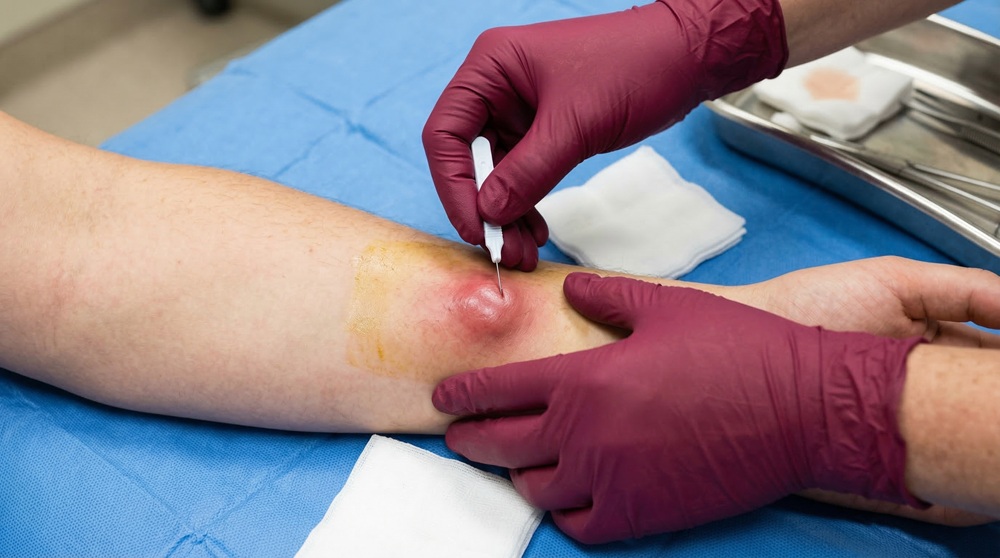
There’s a certain mindset that shows up in medicine, especially in everyday life… if something looks small, it probably is. A little swelling, a sore spot, a bump under the skin… easy to ignore. Give it a few days, maybe it goes away on its own. Sometimes it does. Sometimes it doesn’t. An abscess is...
Direct Primary Care and Concierge Medicine Are Not the Same Thing
Questions about the difference between Direct Primary Care and concierge medicine come up often. The confusion is understandable. Both models offer smaller patient panels, improved access to physicians, and membership-style payment structures. On the surface, the two can look nearly identical. That similarity has led to the terms being used interchangeably in some cases. Some...
Why Monthly Membership Models Are Being Used in Some Primary Care Settings
Walk into most traditional healthcare settings and the process is pretty familiar. Schedule an appointment… wait a few days… show up… fill out paperwork… get seen… and then wait again to find out what the bill looks like after insurance finishes sorting everything out. That system has been in place for a long time. It...
How Digital Communication Helps Patients Stay Connected With Providers
Healthcare has always depended on communication. Conversations between patients and providers form the foundation of diagnosis, treatment, and long-term wellness. For many years, those conversations mostly happened inside exam rooms or through phone calls routed through busy office desks. Today, digital communication has added new ways for patients and providers to stay connected between visits....
Primary Care Physicians Play Key Role in Diagnosing and Treating Minor Skin Conditions
Minor skin conditions represent one of the most common reasons patients seek medical care in primary care settings. Issues such as rashes, dermatitis, fungal infections, insect bites, mild allergic reactions, and localized skin irritation are frequently evaluated and treated by primary care providers during routine appointments. Primary care physicians often serve as the first point...
Why Same-Day and Next-Day Appointments Matter for Everyday Healthcare
Access to healthcare should not feel like waiting in line for concert tickets. When someone wakes up with a sore throat, a lingering cough, unexpected pain, or simply a concern that something “isn’t right,” the last thing needed is a two-week delay before speaking with a primary care provider. Everyday healthcare works best when it...
From Acne Scars to Sun Damage: What Chemical Peels Can Treat
Chemical peels have a reputation that swings between “miracle treatment” and “sounds a little scary.” The reality sits comfortably in the middle. A chemical peel is simply a controlled way to tell skin cells it’s time to move along so new ones can take their place. Skin already does this naturally. Chemical peels just help...
Membership-Based Primary Care Models Gain Attention as Patients Seek Clearer Access and Cost Structures
Membership-based healthcare is often easier to understand once the noise is removed. Strip away insurance jargon, billing codes, and appointment bottlenecks, and what remains is a simpler idea… primary care built around access, clarity, and continuity. After years of working within and alongside traditional healthcare systems, it has become clear that many patients are not...
Benefits of a Direct Primary Care Membership for All Ages
Family healthcare has become unnecessarily complicated. Over time, layers of billing rules, limited appointment availability, and unclear costs have made something simple feel difficult to navigate. Direct Primary Care exists to bring healthcare back to a more straightforward, human-centered model, one that works for individuals and families at every stage of life. DPC Plus was...
Unlimited Access to Your Doctor — Why It Matters for Better Health Outcomes
Healthcare was never meant to feel distant. Somewhere along the way, medicine became crowded with short appointments, long wait times, and communication gaps that left patients feeling more like numbers than people. The relationship between doctor and patient slowly shifted from partnership to transaction. That shift has consequences, and those consequences show up in health...